Oklahoma City · Private instruction
Pitching lessons in Oklahoma City
Mechanics, command, arm care, and learning to actually pitch — not just throw hard and hope.
The approach
Throwing hard is a tool. Pitching is a skill.
Youth baseball has fallen in love with velocity, and radar guns have made it worse. Meanwhile the pitchers who actually win games at every level are the ones who throw strikes, change speeds, and know what to do when the fastball isn't working.
I care about velocity — it matters, and clean mechanics tend to produce it. But I care more about a pitcher who can throw a strike when they need one, repeat their delivery when they're tired, and get through a bad inning without falling apart.
And I care a great deal about the arm still working in five years. That's a coaching responsibility, not an afterthought.
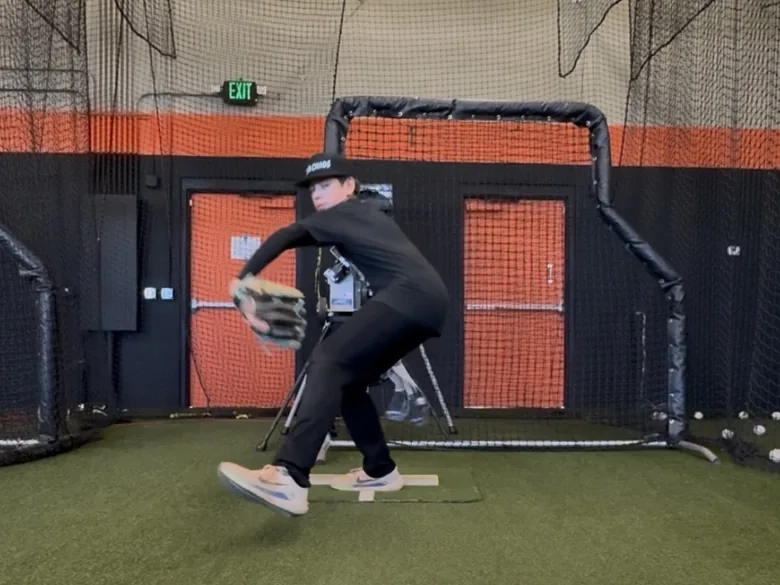
What we work on
The delivery, the command, and the head
We start with whatever is costing the most right now — usually strikes.
Delivery mechanics
Balance, direction, and sequencing down the mound. Efficient movement that a player can repeat when they're tired, which is when mechanics actually matter.
Command
Throwing strikes on purpose, then throwing them to a location on purpose. The single biggest separator in youth pitching, and the most trainable.
Pitch mix
A fastball worth trusting and a changeup worth throwing, before anything breaks. Breaking balls come when the player and their arm are ready — not because a teammate has one.
Arm care
Warm-up, recovery, and understanding workload. Boring, unglamorous, and the reason a player is still pitching in high school.
Holding runners
Times to the plate, pickoff moves, and fielding the position. Games get away from young pitchers on the bases far more often than at the plate.
Pitching strategy
Reading a hitter, using the count, and having a plan for the second time through a lineup. The thinking part of the job.
Arm health
The most common cause of arm injuries isn't mechanics
It's volume. Young pitchers throw too much, rest too little, and often play for two or three teams at once with nobody tracking the total. Add year-round baseball with no off-season and you get injuries that used to be rare in teenagers.
I'll always tell you the truth about workload, even when it's not what you want to hear — including when the answer is that your player needs to throw less, not get another lesson.
Pain is a medical question. If something hurts, see a doctor or physical therapist before you see a pitching coach.
- Count every pitch — bullpens and practice throws included, across every team.
- Respect the rest days that go with each age group's pitch counts.
- Take a real off-season from throwing. Several months, not two weeks.
- Don't chase radar readings in a twelve-year-old.
- Fatigue is the warning sign. A tired pitcher is a pitcher at risk, whatever the count says.
Questions
Pitching questions parents ask
When should a young pitcher learn a curveball?
Later than most people want to hear, and it depends on the player rather than a birthday. A pitcher who can't command a fastball has no use for a third pitch. Fastball command and a reliable changeup will get a youth pitcher further than any breaking ball, and they cost the arm far less.
Can you add velocity?
Velocity comes from mechanics, mobility and strength — in that order for young players. Cleaning up the delivery frees up velocity a pitcher already has, and that's usually the fastest gain available. I'll be honest about what a lesson can and can't do here.
My pitcher's arm hurts. Can you help?
Pain is a medical question, not a coaching one. See a doctor or a physical therapist first. Once they've cleared the player, I'm glad to look at whether the delivery or the workload contributed, and to build things back sensibly.
How many pitches should my kid throw in a week?
Follow the pitch-count and rest guidelines for their age from Pitch Smart, and count everything — bullpens and practice throws included. The most common cause of youth arm injuries isn't bad mechanics, it's too much throwing with too little rest, often across multiple teams at once.
Do you work with pitchers on the mental side?
Constantly. Pitching is the most exposed job in the game — everyone is watching and nothing happens until you throw. What a pitcher does after walking a batter matters more than what they do with a clean count.
Let's talk about your player
Tell me a little about them — age, position, and what you're hoping to work on. I'll get back to you personally, usually within a day.
Lessons start at $75 an hour.